Brazil’s Leap Toward Mandatory Climate Disclosure
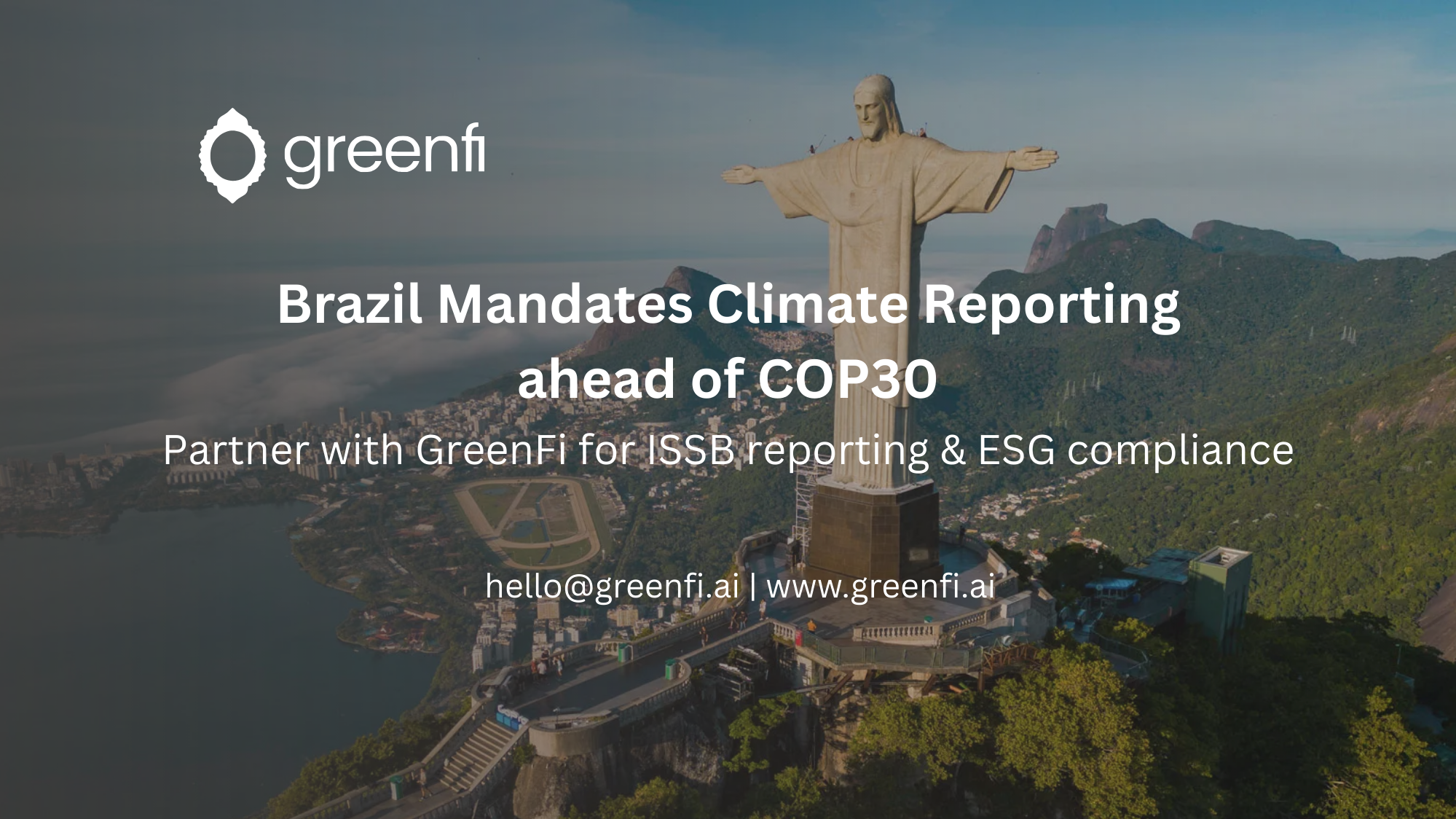
In a historic move, Brazil has officially adopted the ISSB (IFRS S1 & IFRS S2) sustainability disclosure standards as its national baseline, transitioning from voluntary to mandatory climate reporting beginning 1 January 2026.
This landmark regulation CVM Resolution 193, issued by the Brazilian Securities and Exchange Commission (CVM) positions Brazil among the global leaders in sustainability transparency, just as it prepares to host COP30 in Belém, the “Gateway to the Amazon”, in November 2025.
With this, Brazil becomes the first major emerging economy to make ISSB-aligned disclosures mandatory, signaling a deep commitment to both transparency and the global climate agenda.
The Regulatory Framework: CVM Resolution 193
Adopted Standards:
- IFRS S1 – General Requirements for Disclosure of Sustainability-related Financial Information
- IFRS S2 – Climate-related Disclosures
Implementation Timeline:
- Phase 1 (2024–2025): Voluntary adoption with limited assurance
- Phase 2 (2026 onward): Mandatory compliance for all publicly listed companies (Categories A & B) with reasonable assurance and inclusion alongside annual financial statements
Who’s Covered:
- All publicly traded companies listed on B3 (Brasil, Bolsa, Balcão) – over 400 entities
- Investment funds and securitization companies may voluntarily comply pending further regulatory updates
The COP30 Context: Brazil in the Global Spotlight
From 10–21 November 2025, the world will turn its eyes to Belém, Pará, as Brazil hosts COP30 – the Amazon COP. President Luiz Inácio Lula da Silva’s administration is framing COP30 around action, equity, and nature-based solutions.
Brazil’s COP30 Priorities include:
- Climate Finance: Mobilizing $1.3 trillion annually by 2035 for developing countries through the New Collective Quantified Goal (NCQG).
- Implementation Over Pledges: Turning commitments into measurable progress and accountability.
- Forest and Biodiversity Protection: Launching the Tropical Forest Forever Facility (TFFF) to mobilize $125 billion for Amazon conservation.
- Just Transition: Ensuring social inclusion, protection of Indigenous communities, and creation of green jobs.
Brazil’s enhanced NDC (2035) further strengthens these priorities, targeting zero illegal deforestation by 2030, 45% renewable energy in the energy mix, and low-carbon agriculture on 50 million hectares.
What Companies Must Disclose
Under IFRS S1 and S2, companies will need to disclose across four key pillars:
Governance: Board oversight, sustainability expertise, and integration into corporate strategy.
Strategy: Impacts of sustainability risks on business models and long-term resilience.
Risk Management: Identification and management of physical, transition, and reputational climate risks.
Metrics & Targets: GHG inventories (Scopes 1, 2, 3), emissions reduction goals, and performance tracking.
This is a step-change – companies will require new systems, data streams, and assurance readiness for the first mandatory reporting cycle in 2026.
How GreenFi Can Help Brazilian Companies Get Ready
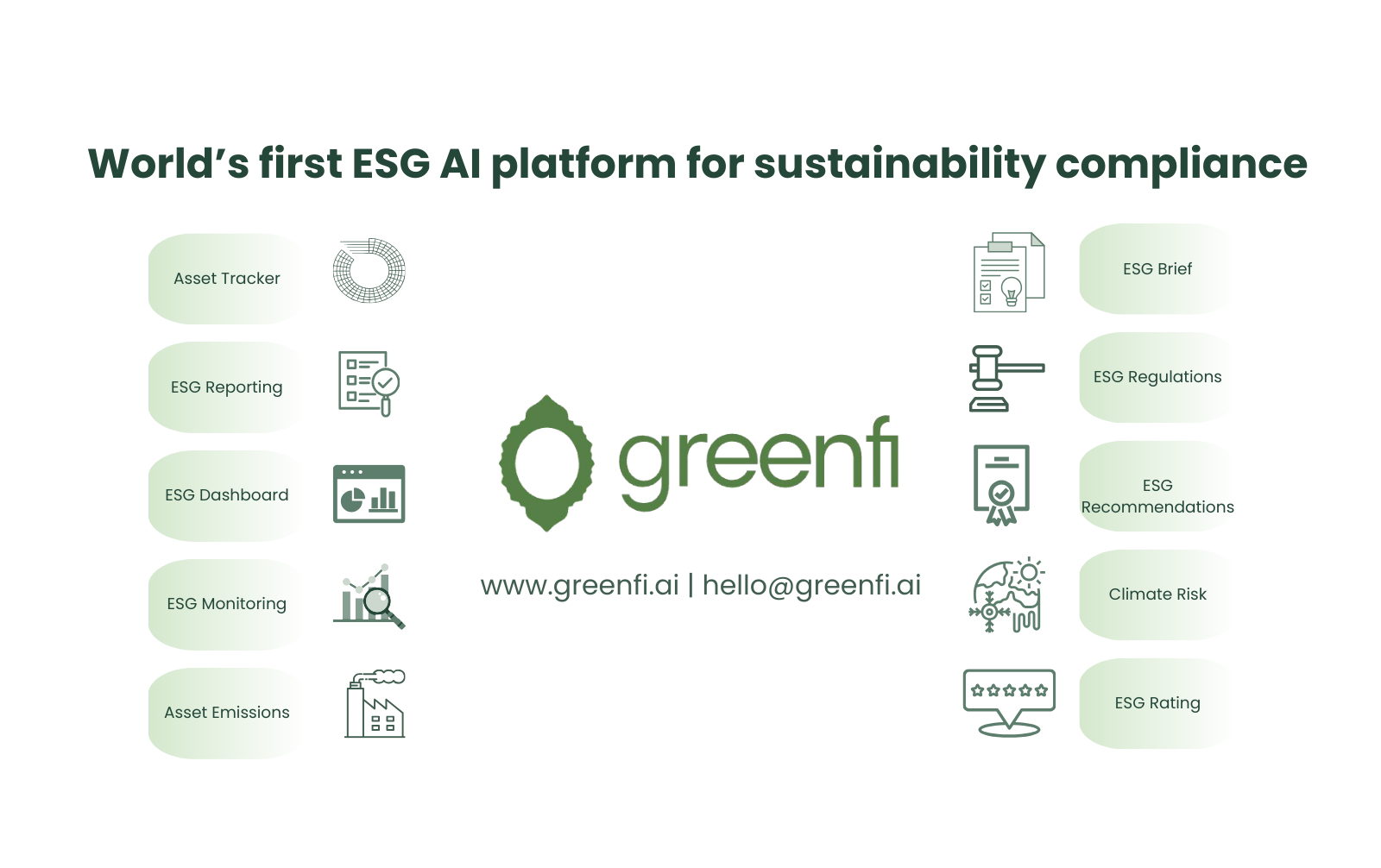
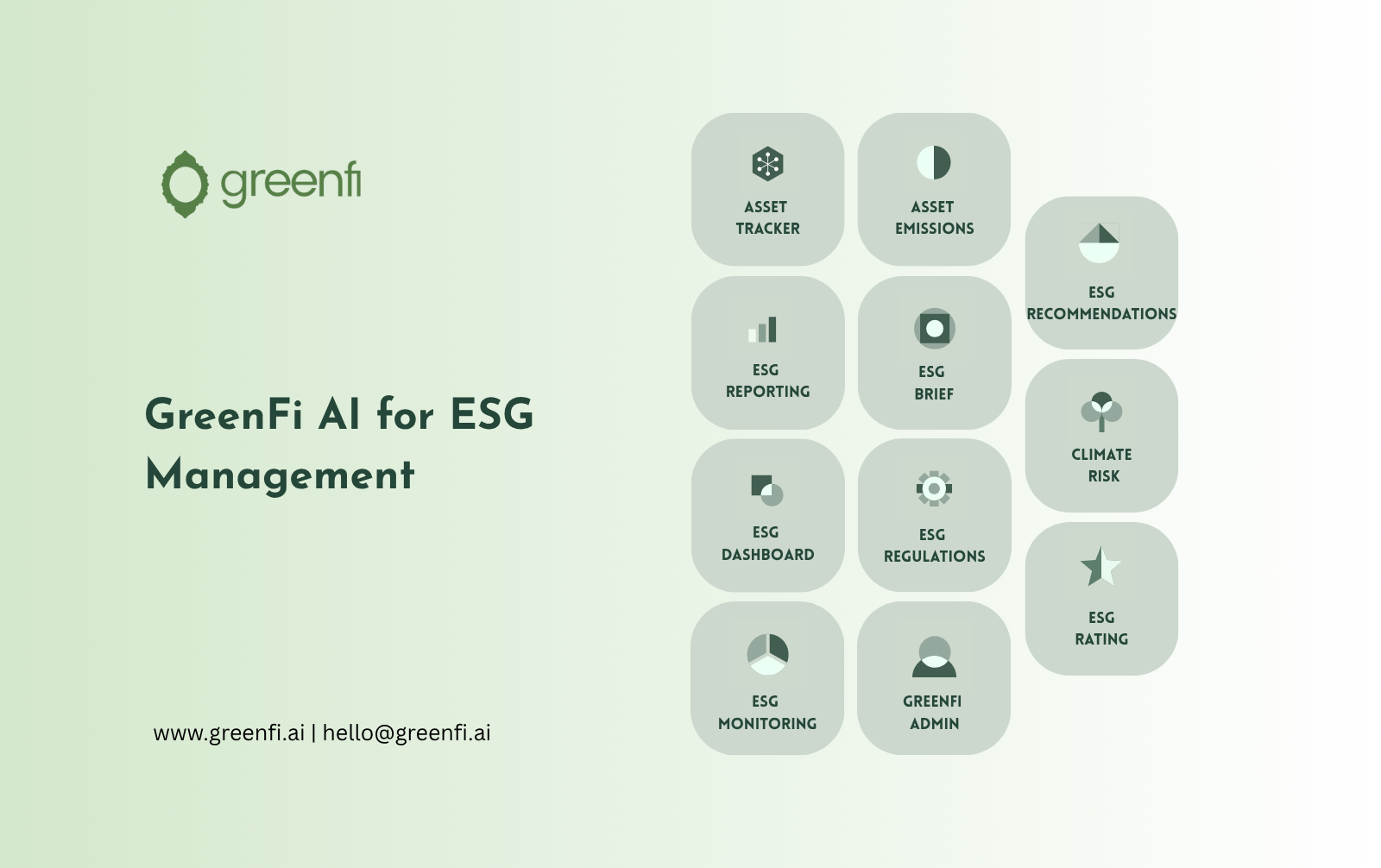
As Brazil transitions to mandatory ISSB-aligned disclosure, GreenFi stands ready to support enterprises through an integrated, audit-ready ESG technology platform.
- ISSB (IFRS S1 & S2) Compliance Enablement
- Automated Reporting: End-to-end workflows for governance, strategy, risk, and metrics aligned with CVM Resolution 193.
- Disclosure Mapping: Built-in templates linking ISSB pillars to national requirements.
- Scenario Analysis: Integrated modelling for 1.5°C and 2°C pathways to test strategy resilience.
- Data Management & GHG Inventory Automation
- Scope 1–3 Tracking: Comprehensive data collection across value chains, fully aligned with the GHG Protocol.
- Brazil-specific Emission Factors: Tailored for local energy, transport, and industrial activities.
- Assurance-ready Reports: Structured documentation to support both limited and reasonable assurance reviews.
- Risk & Opportunity Assessment
- Climate Risk Analytics: Quantify potential financial impacts of physical and transition risks.
- Opportunity Mapping: Identify decarbonization, efficiency, and renewable investment potential – aligned with Brazil’s COP30 and NDC goals.
- Governance & Assurance Readiness
- Board Dashboards: Real-time visibility on sustainability governance and linked compensation.
- Assurance Integration: Export-ready data packages for auditor and regulator review.
- Stakeholder Communications: Generate reports compatible with B3 filings and investor presentations.
- COP30 and NDC Alignment
- National Context Reporting: Align disclosures with Brazil’s 2035 climate targets (deforestation, renewables, emission intensity).
- Just Transition Indicators: Track contributions to social equity, green employment, and community resilience.
The Road Ahead
Brazil’s move to mandatory ISSB-aligned disclosure marks a transformative moment for sustainability governance in Latin America. With less than a year before COP30, companies must act now to implement data systems, scenario models, and governance structures to ensure compliance and credibility.
GreenFi empowers organizations to turn regulatory requirements into strategic advantage – building trust, resilience, and measurable impact.
Contact us – hello@greenfi.ai