The European Commission has launched a major consultation on revised European Sustainability Reporting Standards (ESRS), marking a significant step toward simplifying sustainability reporting requirements across the EU.
The proposed revisions aim to reduce reporting complexity, improve alignment across ESG regulations and ease compliance burdens for companies while maintaining transparency for investors and stakeholders.
This latest development signals the EU’s broader shift toward more streamlined, comparable and efficient sustainability disclosures.
What Is Changing in ESRS?
The draft revisions introduced by the European Commission focus on reducing administrative burden and making sustainability reporting more practical for businesses.
Key proposed changes include:
- Reducing mandatory ESRS datapoints by over 60%
- Cutting overall disclosure data points by more than 70%
- Simplifying materiality assessments
- Introducing greater flexibility in sustainability reporting
- Improving alignment between ESRS, EU Taxonomy and SFDR requirements
- Reducing reporting costs and operational complexity for companies
The European Commission is currently consulting on the revised ESRS drafts, with plans to adopt the updated standards through a Delegated Act following the consultation process in 2026.
Why the EU Is Simplifying Sustainability Reporting
Over the past few years, companies have faced increasing pressure to comply with multiple ESG disclosure frameworks, often resulting in:
- Duplicative reporting
- Complex data collection processes
- Inconsistent sustainability metrics
- Higher compliance costs
- Increased reporting fatigue
To address these challenges, the EU is working toward greater harmonization across sustainability regulations and reporting frameworks.
The objective is to create a more unified ESG reporting ecosystem that supports:
- Better comparability of sustainability disclosures
- Improved data quality and consistency
- Easier compliance management
- Greater investor confidence
- More efficient reporting workflows
Stronger Alignment Between ESRS and EU Taxonomy
One of the key focus areas of the proposed revisions is the alignment between ESRS and the EU Taxonomy framework.
The Platform on Sustainable Finance has recommended integrating taxonomy-aligned metrics directly into climate transition plan disclosures, including:
- Taxonomy-aligned revenues
- Capital expenditure (CapEx)
- Operating expenditure (OpEx)
- Transition investment plans
This would create a stronger connection between sustainability commitments and financial performance, helping investors better evaluate corporate decarbonization strategies and climate transition readiness.
Climate Transition Plans Could Become More Standardized
The EU is also considering a voluntary standardized template for climate transition plans.
The proposed framework would help companies disclose:
- Net-zero strategies
- Decarbonization pathways
- Climate targets
- Sustainability investments
- Operational climate actions
- Progress tracking metrics
A standardized approach could significantly improve transparency and comparability across industries while helping companies communicate sustainability progress more effectively.
What This Means for Businesses
The proposed ESRS revisions could significantly reshape how organizations manage ESG disclosures across sustainability, finance, compliance and operational teams.
Organizations that proactively prepare for these changes may benefit from:
- Reduced reporting burden
- Improved ESG data management
- Faster reporting cycles
- Better investor communication
- Stronger regulatory readiness
- Enhanced sustainability credibility
As sustainability regulations continue evolving globally, companies will increasingly need integrated systems capable of managing ESG reporting, climate disclosures, regulatory monitoring and compliance workflows in one place.
How GreenFi Helps Companies Navigate the Latest ESRS Changes
As the EU moves toward more streamlined sustainability reporting, organizations need smarter and more efficient ways to manage evolving ESG disclosure requirements across frameworks such as ESRS, EU Taxonomy and SFDR.
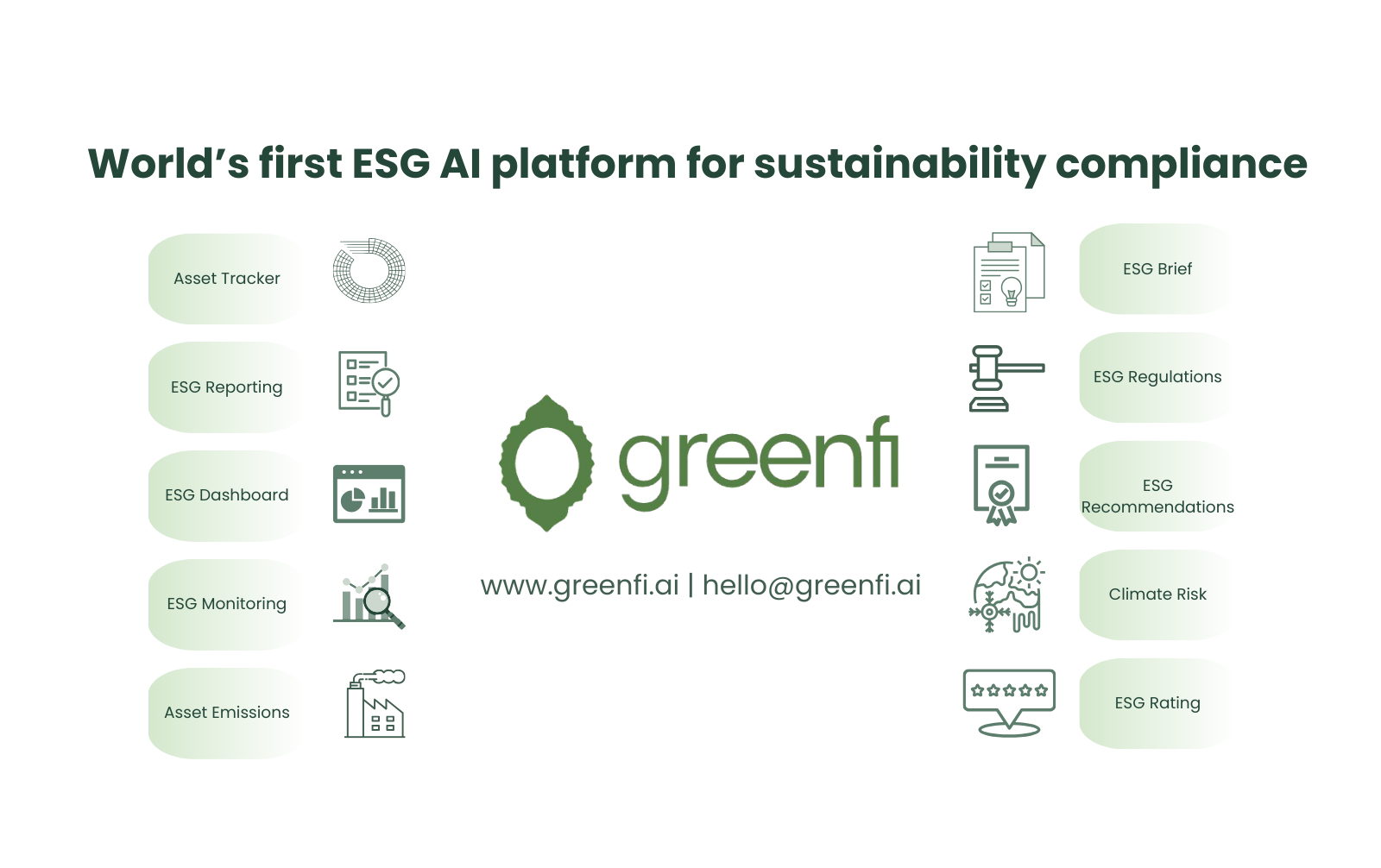
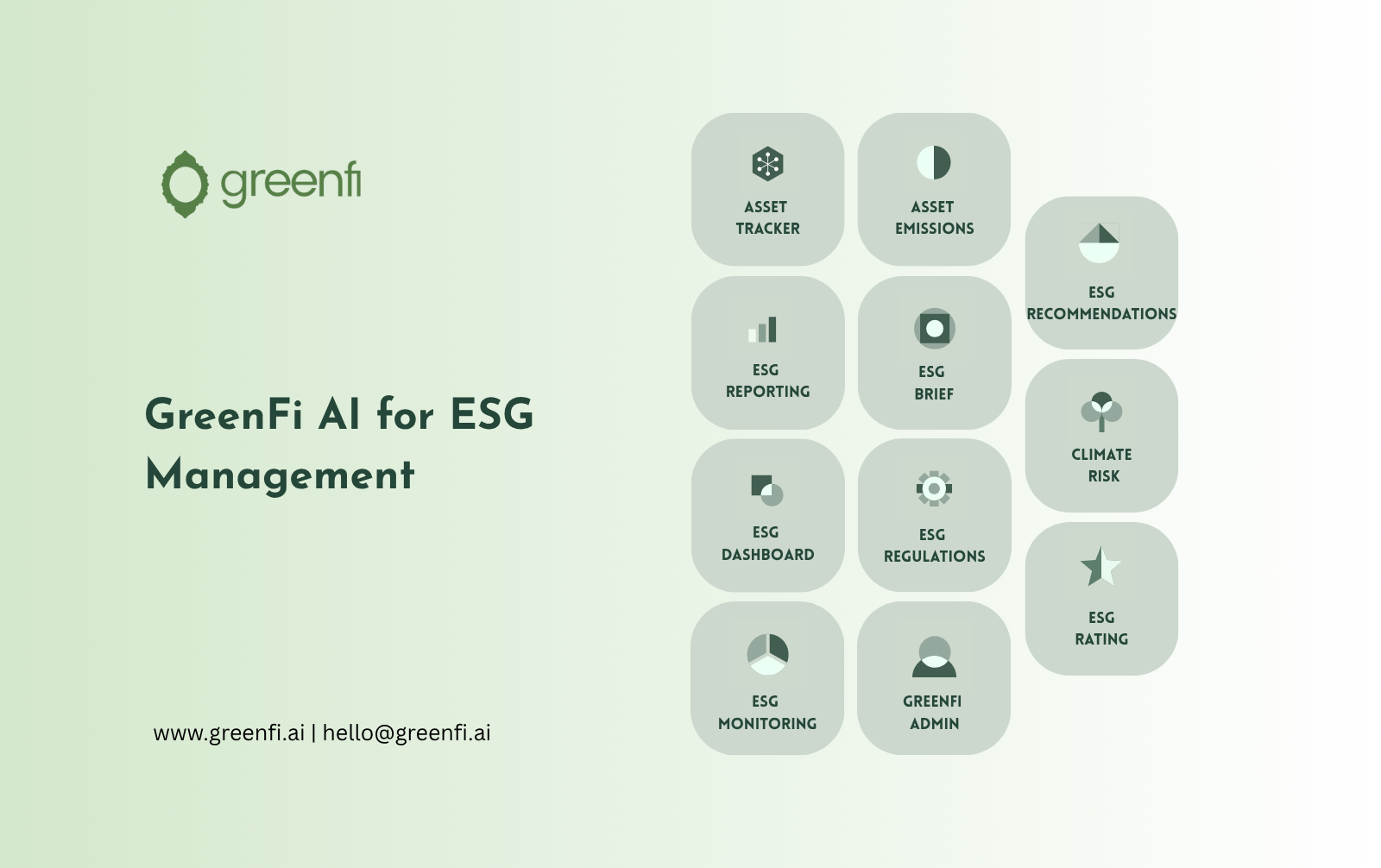
GreenFi helps businesses simplify sustainability and climate disclosures through an AI-enabled ESG risk management and compliance platform that centralizes ESG data management, taxonomy-aligned metrics, regulatory monitoring and compliance workflows within a single ecosystem.
By integrating sustainability reporting, climate risk management and net-zero advisory into one unified platform, GreenFi enables organizations to reduce reporting complexity, improve transparency, strengthen regulatory readiness and stay prepared for the evolving European sustainability landscape.
Schedule a call with us today: hello@greenfi.ai
Learn more: www.greenfi.ai