Sustainability reporting in Hong Kong is entering a new phase.
For years, companies largely treated ESG disclosures as a compliance exercise. That is changing rapidly. Investors, regulators, lenders and customers increasingly expect companies to disclose how sustainability-related risks and opportunities impact financial performance, not just environmental or social metrics in isolation.
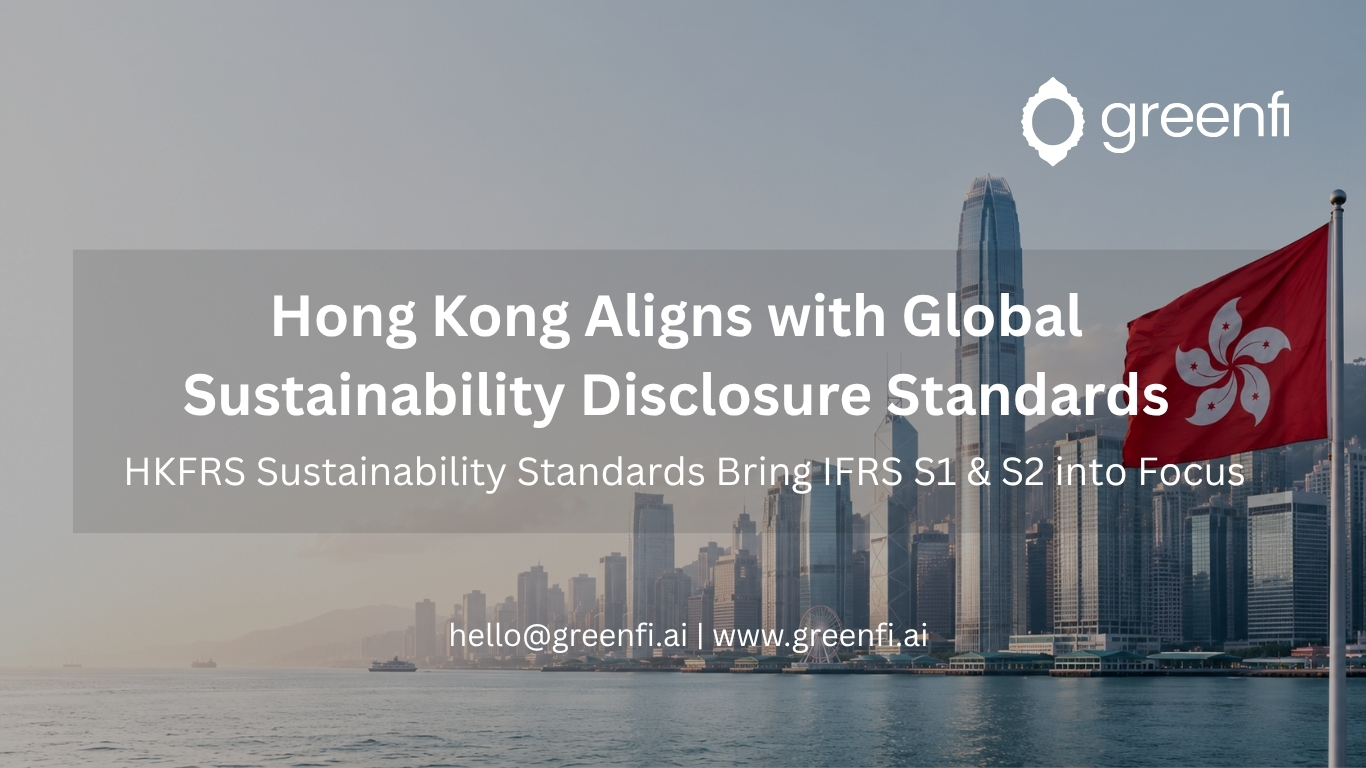
To support this shift, Hong Kong is aligning its sustainability disclosure framework with the global baseline established by the International Sustainability Standards Board through the introduction of the HKFRS Sustainability Disclosure Standards, while the Hong Kong Exchanges and Clearing ESG Reporting Code is being updated to reflect these requirements.
The New Reporting Landscape in Hong Kong
Hong Kong companies are now preparing for sustainability disclosures based on:
- IFRS S1 – General Requirements for Disclosure of Sustainability-related Financial Information
- IFRS S2 – Climate-related Disclosures
- HKFRS Sustainability Disclosure Standards – Hong Kong’s localized adoption of ISSB standards
- HKEX ESG Reporting Code – Listed company sustainability reporting requirements
Together, these frameworks are moving sustainability reporting away from qualitative statements and toward decision-useful, financially relevant disclosures.
Understanding IFRS S1
International Financial Reporting Standards Foundation IFRS S1 establishes a framework for reporting sustainability-related risks and opportunities that could reasonably affect a company’s cash flows, access to finance, or enterprise value.
Companies are expected to disclose:
Governance
How sustainability risks and opportunities are overseen by boards and management.
Strategy
How sustainability issues impact business models, strategy, and financial planning.
Risk Management
Processes used to identify, assess, prioritize, and manage sustainability-related risks.
Metrics and Targets
The indicators used to monitor performance and progress.
The emphasis is clear: sustainability information should be connected directly to financial outcomes and business decisions.
Understanding IFRS S2
While IFRS S1 covers all sustainability topics, IFRS S2 focuses specifically on climate-related risks and opportunities.
Organizations must disclose:
Climate Governance
Board and management oversight of climate-related issues.
Climate Strategy
How physical and transition risks affect operations, investments, and long-term plans.
Climate Risk Management
Methods used to identify and manage climate-related exposures.
Climate Metrics
Including, where applicable:
- Scope 1 emissions
- Scope 2 emissions
- Scope 3 emissions
- Climate targets
- Internal carbon pricing
- Capital allocation toward climate initiatives
Scenario Analysis
Assessment of business resilience under different climate futures.
This requirement is particularly important as investors increasingly seek evidence that companies understand and can manage climate-related financial risks.
HKFRS Sustainability Disclosure Standards
To maintain Hong Kong’s position as a leading international financial center, the Hong Kong Institute of Certified Public Accountants has introduced the HKFRS Sustainability Disclosure Standards.
These standards are designed to align closely with IFRS S1 and IFRS S2 while ensuring applicability within Hong Kong’s regulatory environment.
The objective is straightforward:
- Improve comparability of disclosures
- Reduce reporting fragmentation
- Increase investor confidence
- Facilitate cross-border capital flows
Companies reporting under HKFRS Sustainability Standards can provide sustainability information that is consistent with global investor expectations.
What Is Changing Under the HKEX ESG Reporting Code?
The updated HKEX ESG framework significantly raises disclosure expectations.
Key changes include:
Greater Climate Disclosure Requirements
Companies must provide more detailed information on climate risks, governance structures, emissions, and transition planning.
Enhanced Board Accountability
Boards are expected to demonstrate active oversight of sustainability-related matters.
Financial Materiality Focus
Reporting moves beyond broad ESG narratives toward issues that affect enterprise value.
Increased Data Quality Expectations
Organizations need stronger processes, controls, and audit-ready sustainability data.
Alignment With Global Standards
The reporting framework increasingly reflects ISSB and international best practices.
For listed companies, sustainability reporting is becoming more integrated with mainstream financial reporting rather than remaining a separate compliance document.
The Challenges Companies Face
Despite growing regulatory clarity, many organizations still struggle with:
- Fragmented ESG data across business units
- Limited visibility into supplier emissions and risks
- Inconsistent methodologies for calculating Scope 3 emissions
- Lack of audit-ready sustainability data
- Difficulty linking sustainability performance to financial outcomes
- Manual reporting processes that consume significant resources
As disclosure requirements become more rigorous, spreadsheets and disconnected systems become increasingly difficult to manage.
How GreenFi Helps
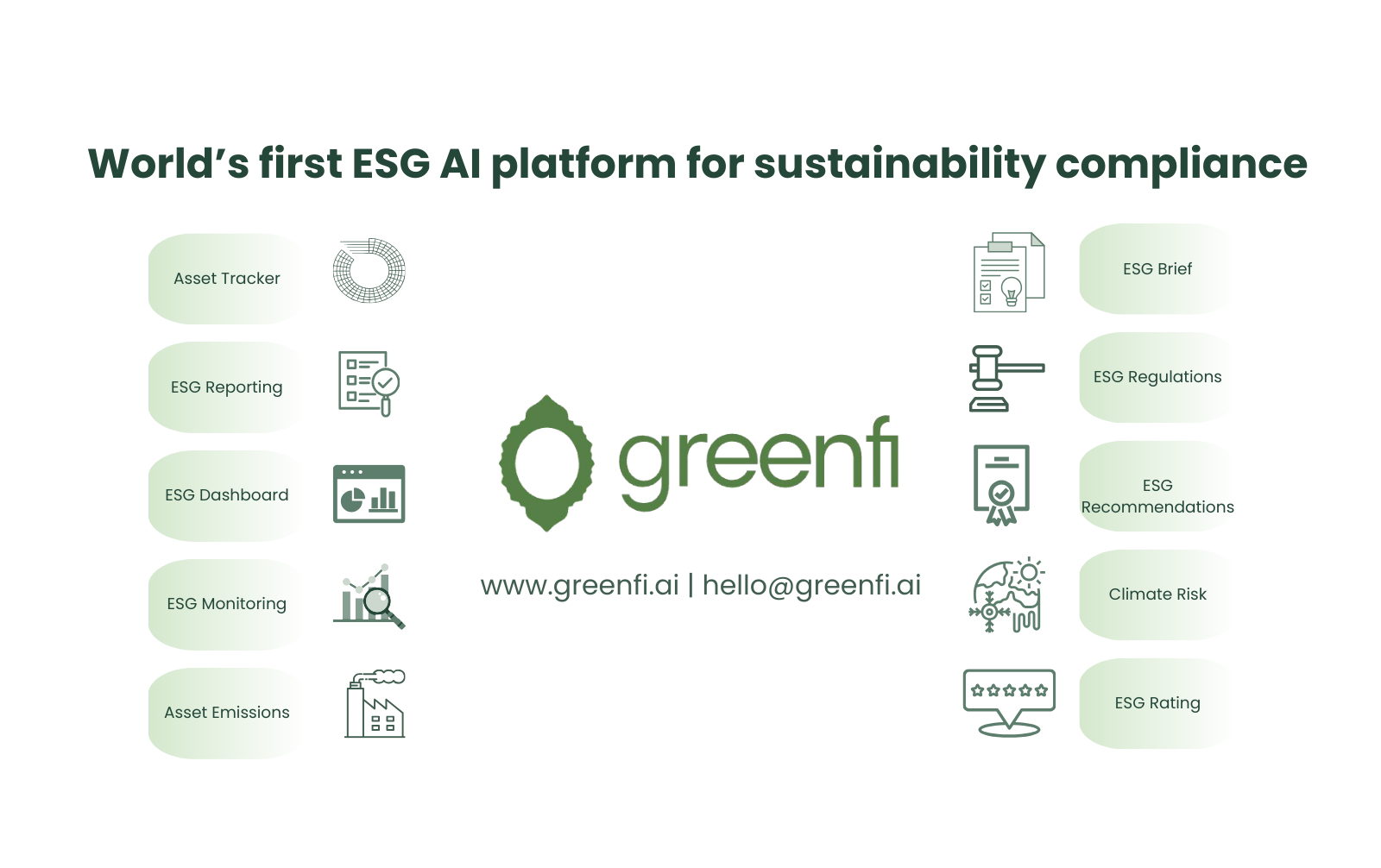
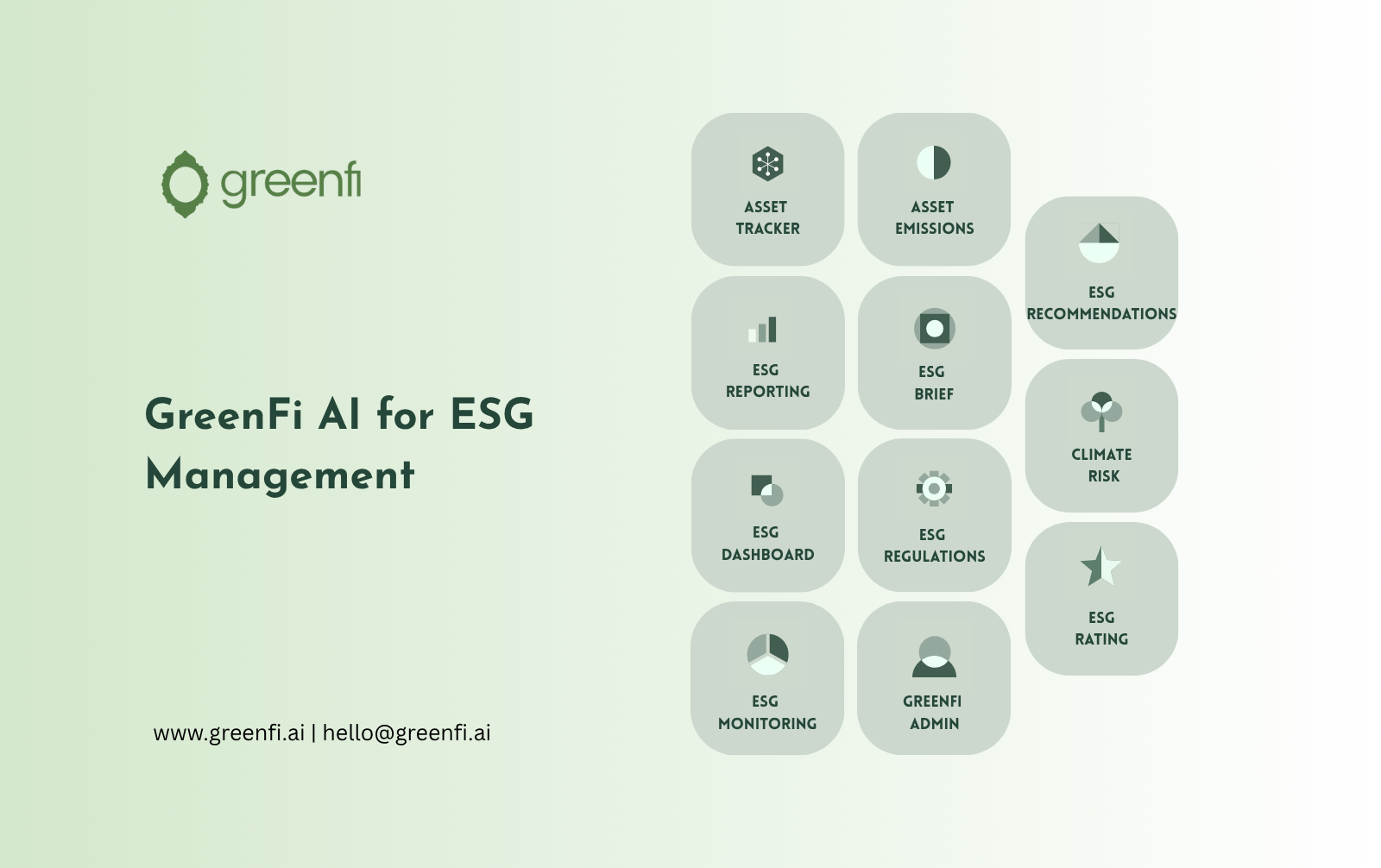
GreenFi helps organizations operationalize sustainability reporting by transforming fragmented ESG data into actionable, reporting-ready insights.
Centralized ESG Data Management
Collect and organize sustainability data across operations, suppliers and portfolios.
Climate Risk Visibility
Identify climate-related exposures that could impact business performance and enterprise value.
Emissions Measurement
Track Scope 1, Scope 2 and Scope 3 emissions with consistent methodologies.
Governance and Audit Readiness
Create transparent workflows and evidence trails to support assurance requirements.
Reporting Alignment
Map disclosures to IFRS S1, IFRS S2, HKFRS Sustainability Standards, and HKEX ESG requirements.
Supplier Sustainability Monitoring
Gain visibility into value-chain risks and emissions that increasingly influence regulatory disclosures.
The Road Ahead
Hong Kong’s adoption of ISSB-aligned sustainability reporting marks a significant evolution in corporate disclosure.
The question is no longer whether sustainability reporting matters. The focus is now on whether organizations can produce reliable, decision-useful information that demonstrates resilience in a rapidly changing economic and environmental landscape.
Companies that build strong sustainability data foundations today will be better positioned to meet regulatory expectations, strengthen investor confidence, and identify opportunities arising from the transition to a more sustainable economy.
For Hong Kong businesses, IFRS S1, IFRS S2, the HKEX ESG Reporting Code, and HKFRS Sustainability Standards are not simply reporting requirements – they are becoming core components of corporate governance, risk management, and long-term value creation.
Schedule a call with us today: hello@greenfi.ai
Learn more: www.greenfi.ai