Climate Reporting in New Zealand Is Entering Its Next Phase
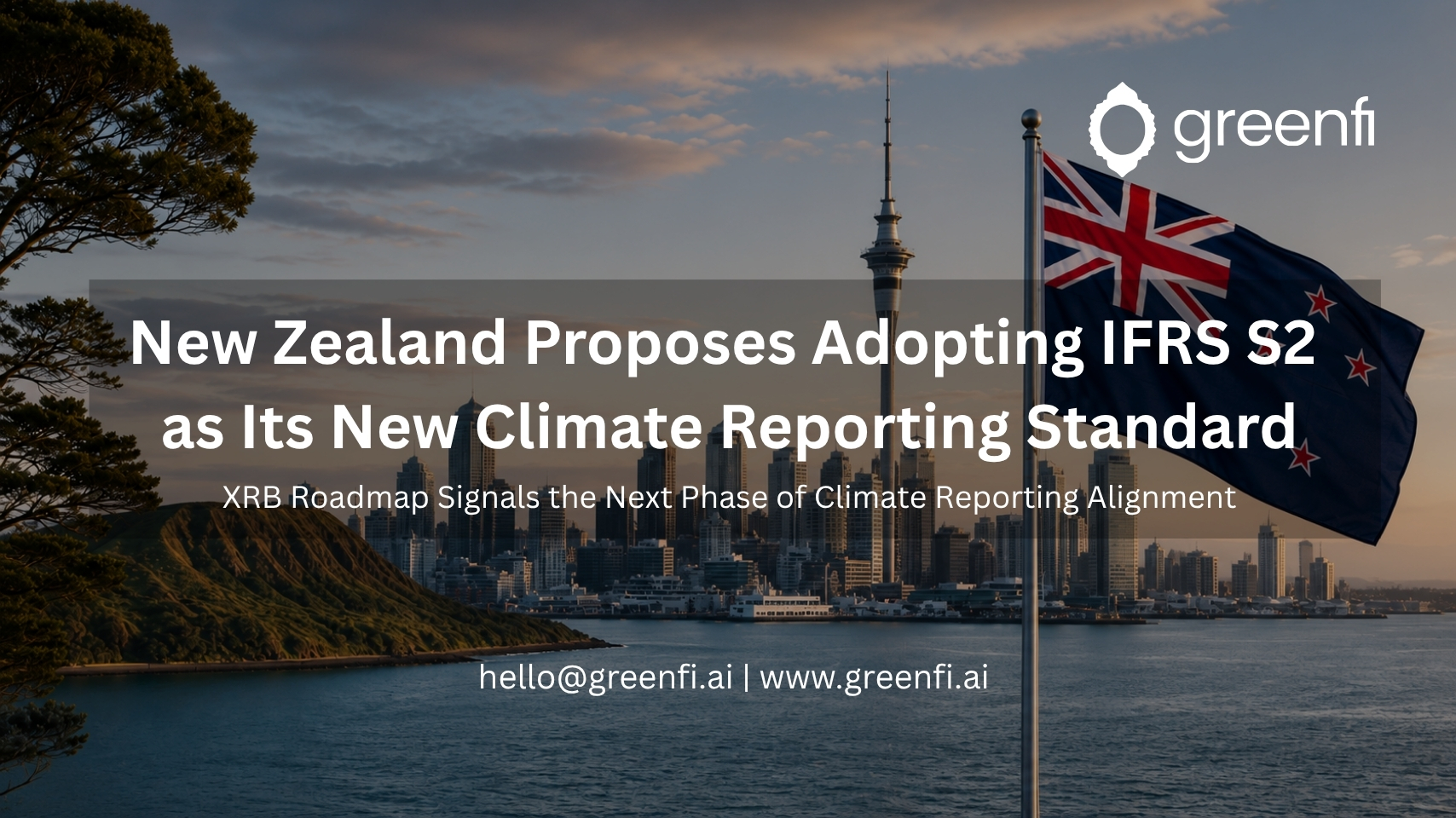
New Zealand is taking another significant step in the evolution of climate-related financial reporting. The country’s External Reporting Board (XRB) has opened consultation on a draft climate reporting roadmap proposing the introduction of NZ IFRS S2 Climate-related Disclosures
The proposal seeks to align New Zealand’s climate reporting framework with internationally recognised sustainability disclosure standards while considering the country’s legislative requirements and the needs of regulated climate reporting entities. If adopted, NZ IFRS S2 would replace the existing Aotearoa New Zealand Climate Standards over time through a phased implementation approach.
As one of the first countries to introduce mandatory climate-related disclosures for large listed companies, banks, insurers, and investment managers, New Zealand continues to strengthen its leadership in transparent and investor-focused sustainability reporting.
Why Is New Zealand Updating Its Climate Reporting Framework?
New Zealand introduced mandatory climate-related disclosures through the Aotearoa New Zealand Climate Standards (NZ CS), establishing one of the world’s first mandatory climate reporting regimes.
Since then, the global sustainability reporting landscape has evolved rapidly following the publication of the ISSB’s IFRS Sustainability Disclosure Standards. Many jurisdictions are now adopting or aligning with IFRS S2 to create greater consistency in climate-related financial disclosures.
To support this transition, the XRB has proposed introducing NZ IFRS S2, enabling New Zealand to align with global reporting practices while preserving flexibility for local legislative and market requirements.
The proposed roadmap aims to:
- Align New Zealand’s climate reporting framework with ISSB’s IFRS S2
- Improve consistency and comparability of climate-related disclosures
- Maintain compatibility with Australia’s AASB S2 framework
- Support New Zealand-specific modifications where appropriate
- Reduce reporting complexity for organisations operating across multiple jurisdictions
Understanding IFRS S2
IFRS S2 establishes a globally consistent framework for disclosing climate-related risks and opportunities that could reasonably affect an organisation’s:
- Cash flows
- Access to finance
- Cost of capital
- Enterprise value
The standard requires organisations to disclose climate-related information across four core pillars.
Governance
How boards and senior management oversee climate-related risks and opportunities.
Strategy
How climate-related risks and opportunities influence business models, strategic planning, operations, and financial performance.
Risk Management
Processes used to identify, assess, prioritise, and manage climate-related risks.
Metrics and Targets
Disclosure of measurable climate performance indicators, including:
- Scope 1 greenhouse gas emissions
- Scope 2 greenhouse gas emissions
- Scope 3 greenhouse gas emissions
- Climate-related targets
- Progress against transition plans
- Capital allocation supporting climate initiatives
IFRS S2 also requires organisations to assess business resilience through climate scenario analysis, helping investors understand how businesses may perform under different climate futures.
Proposed Implementation Roadmap
The draft roadmap outlines a phased transition to allow organisations sufficient time to prepare.
Key proposals include:
- Early adoption of NZ IFRS S2 for eligible reporting periods before mandatory implementation.
- Continued use of the existing Aotearoa New Zealand Climate Standards during the transition period.
- Mandatory application of NZ IFRS S2 under the proposed implementation timeline following completion of consultation and standard development.
This phased approach aims to minimise disruption while giving organisations the opportunity to strengthen governance, data management, and reporting processes before mandatory adoption.
Why This Matters for Businesses
The proposed adoption of NZ IFRS S2 extends beyond regulatory compliance. It represents a shift toward globally comparable, investor-grade climate reporting.
Key benefits include:
Improved Comparability
Using an internationally recognised reporting framework enables investors to compare climate-related information across markets more effectively.
Greater Transparency
Consistent disclosures improve confidence among investors, lenders, regulators, and other stakeholders by providing decision-useful climate information.
Reduced Reporting Complexity
Multinational organisations can streamline sustainability reporting by aligning with common international standards rather than managing multiple reporting frameworks.
Stronger Cross-Border Investment
Alignment with IFRS S2 supports international capital flows by increasing the credibility and consistency of sustainability disclosures.
Future-Ready Reporting
As more jurisdictions adopt ISSB standards, organisations that prepare early will be better positioned to respond to evolving regulatory expectations.
Challenges Organisations May Face
Transitioning to IFRS S2 may require organisations to strengthen several aspects of their sustainability reporting capabilities, including:
- Collecting reliable climate and ESG data across business units
- Measuring Scope 3 emissions throughout the value chain
- Integrating climate risks into enterprise risk management
- Linking sustainability information with financial reporting
- Building audit-ready governance and documentation processes
- Replacing fragmented spreadsheets with integrated reporting systems
These challenges highlight the growing need for digital ESG platforms that support consistent, transparent and assurance-ready disclosures.
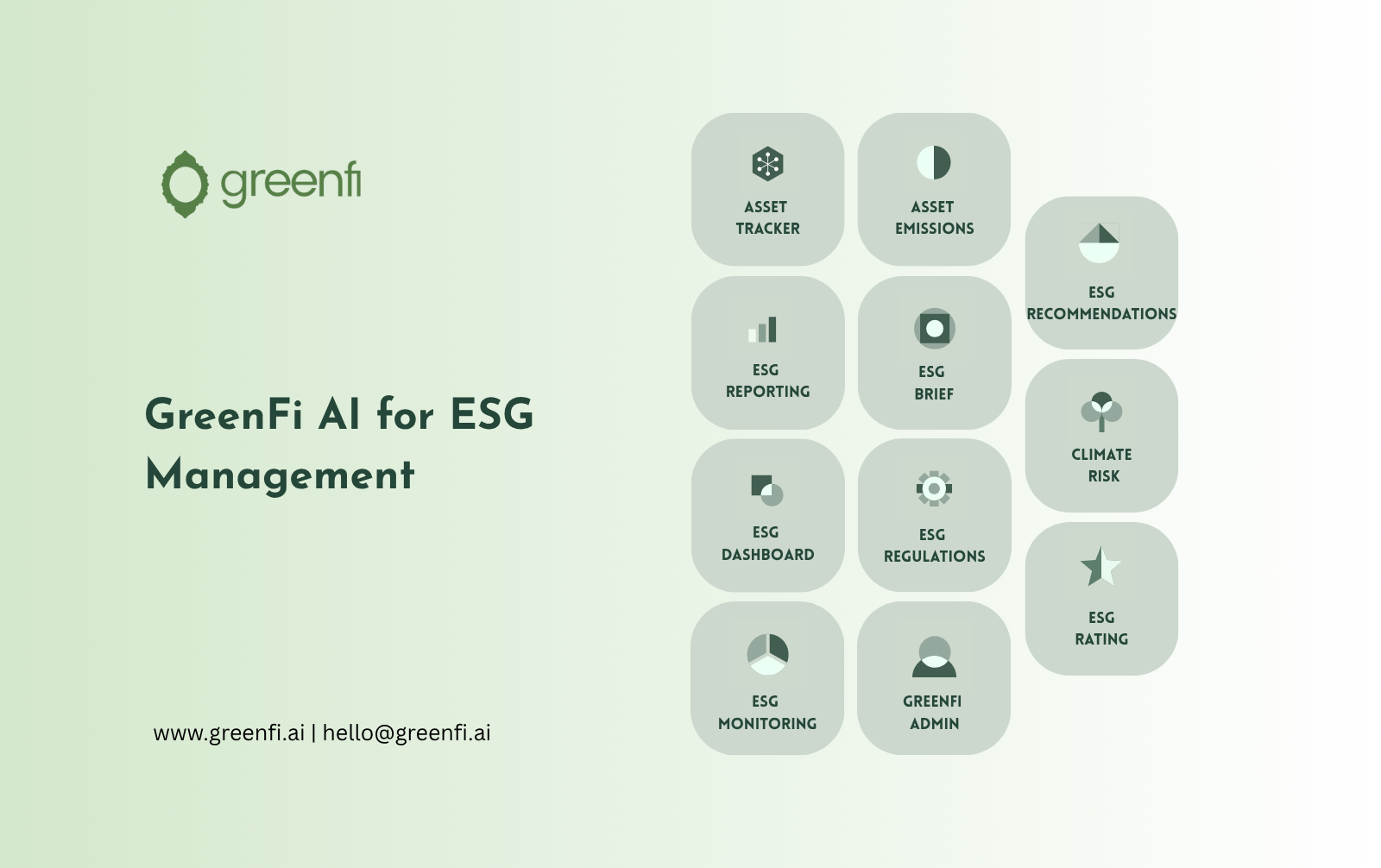
How GreenFi Helps
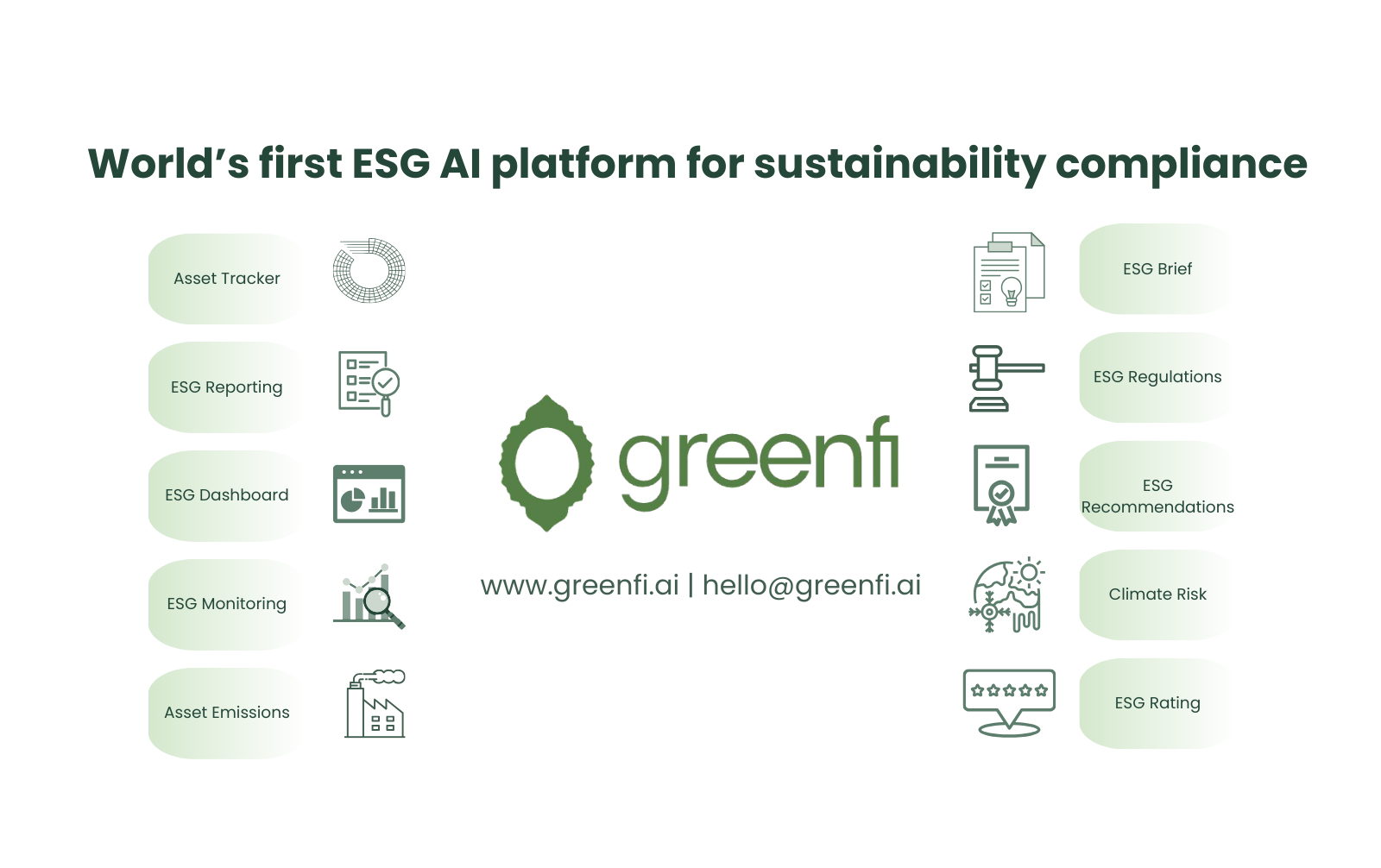
As New Zealand moves toward greater alignment with IFRS S2, organizations have an opportunity to strengthen their climate reporting capabilities before the proposed requirements take effect. GreenFi helps businesses simplify sustainability reporting by transforming fragmented ESG data into actionable, audit-ready insights aligned with global reporting standards.
Regulatory Readiness
Monitor evolving climate reporting requirements, assess readiness against NZ IFRS S2 and IFRS S2 and develop structured roadmaps for implementation.
Climate Risk & Scenario Analysis
Identify physical and transition climate risks, evaluate their potential financial impacts and support climate scenario analysis to strengthen business resilience.
Governance & Audit Readiness
Establish transparent workflows, documentation, and evidence trails that support governance requirements and future assurance processes.
Reporting Alignment
Map disclosures to IFRS S2 while supporting alignment with New Zealand’s evolving climate reporting framework and other internationally recognized sustainability standards.
Centralized ESG Data Management
Collect, organize, and manage sustainability data across operations, facilities, suppliers, and portfolios through a single, centralized platform.
Climate Data & Emissions Accounting
Measure and monitor Scope 1, Scope 2, and Scope 3 greenhouse gas emissions using methodologies aligned with the GHG Protocol and ISSB standards.
Executive Dashboards & Decision Support
Provide boards and management with real-time visibility into ESG performance, climate metrics, targets, and reporting progress through investor-ready dashboards.
By integrating ESG data, climate analytics, and reporting into one platform, GreenFi helps organisations move beyond compliance and build long-term sustainability resilience.
Looking Ahead
New Zealand’s proposed adoption of NZ IFRS S2 reflects the country’s continued commitment to high-quality climate-related financial reporting and alignment with global sustainability disclosure standards.
Although the roadmap is currently under consultation, the direction is clear. Organisations should begin evaluating their climate reporting capabilities, strengthening governance structures, improving data quality, and preparing for greater alignment with internationally recognised reporting practices.
Early preparation will not only support future compliance but also strengthen investor confidence, improve decision-making, and position organisations for success in an increasingly sustainability-focused global economy.
Prepare for the Future of Climate Reporting with GreenFi
GreenFi helps organisations simplify ESG reporting, measure climate performance and stay ahead of evolving sustainability regulations through AI-powered ESG technology and advisory services.
Schedule a demo: hello@greenfi.ai
Learn more: www.greenfi.ai