The Countdown is Over
The European Union’s Packaging and Packaging Waste Regulation (PPWR) has officially reached its most important milestone. Beginning 12 August 2026, the regulation generally applies across all EU Member States, introducing a single, harmonized framework governing how packaging is designed, manufactured, labelled, and managed throughout its lifecycle.
For companies manufacturing, importing or selling products into the European Union, PPWR is no longer a future requirement – it’s now a business-critical compliance obligation.
Unlike the previous Packaging and Packaging Waste Directive, PPWR is a Regulation, meaning it applies directly across all EU Member States without requiring national transposition. This creates greater consistency while raising the compliance expectations for businesses operating in global supply chains.
What is PPWR?
The Packaging and Packaging Waste Regulation (EU) 2025/40 establishes sustainability requirements covering the entire lifecycle of packaging, from design and manufacturing to reuse, recycling, labeling and waste management.
The regulation applies to all packaging, regardless of:
- Material type
- Industry
- Product category
- Country of manufacture
Its objectives are to:
- Reduce packaging waste generation
- Improve packaging recyclability
- Increase the use of recycled materials
- Support a circular economy
- Reduce dependence on virgin raw materials
- Help achieve EU climate neutrality goals by 2050.
Why 12 August 2026 Matters
From 12 August 2026, businesses placing packaging on the EU market must ensure that applicable PPWR requirements are met.
Failure to demonstrate compliance can create significant commercial risks, including:
- Delays in market access
- Regulatory enforcement actions
- Product shipment disruptions
- Increased compliance costs
- Supply chain interruptions
For many organizations, this means moving beyond sustainability commitments and establishing documented compliance processes.
Key PPWR Requirements Businesses Should Focus On
Although additional delegated and implementing acts will introduce more detailed obligations over time, companies should already be preparing for several core compliance areas.
- Packaging Design Requirements
Packaging should be designed to:
- Minimize unnecessary material usage
- Support recycling
- Reduce environmental impact
- Avoid excessive packaging
The regulation encourages packaging optimization while maintaining product protection and functionality.
- Recyclability
One of PPWR’s most significant goals is ensuring that all packaging placed on the EU market becomes recyclable in an economically viable way.
Businesses must understand:
- Material composition
- Packaging structure
- Recycling compatibility
- Future recyclability performance criteria
While technical methodologies continue to evolve, recyclability is already a central design consideration under PPWR.
- Documentation and Declaration of Conformity
Economic operators are expected to maintain technical documentation demonstrating compliance with applicable PPWR requirements.
A Declaration of Conformity (DoC) serves as evidence that packaging meets the relevant provisions of the regulation and supporting documentation should be available to competent authorities upon request. Maintaining accurate packaging specifications, material data, and supporting technical records is becoming an essential compliance capability.
- Packaging Information and Labelling
PPWR introduces harmonized labeling requirements that will help consumers correctly sort packaging waste.
From 12 August 2028 (or later where implementing acts specify), packaging will generally require standardized labels indicating material composition to improve recycling performance across the EU.
Compliance Doesn’t Stop in 2026
The August 2026 application date marks only the beginning of PPWR implementation.
Several major requirements will continue rolling out through 2030 and beyond, including:
- Packaging recyclability performance criteria
- Mandatory recycled plastic content targets
- Harmonized packaging labels
- Reuse targets
- Packaging minimization obligations
- Extended Producer Responsibility (EPR) alignment
- Additional reporting and technical requirements.
Organizations that delay preparation may face increasingly complex implementation challenges as new obligations become applicable.
How Businesses Can Prepare
Organizations should begin assessing their packaging portfolios by asking questions such as:
- Which packaging is placed on the EU market?
- Do we know the complete material composition of every packaging component?
- Are technical specifications centrally maintained?
- Can we demonstrate compliance if regulators request documentation?
- Are suppliers providing the necessary packaging information?
- Are future recyclability and recycled-content requirements being considered during product design?
Preparing early enables organizations to reduce compliance risks while avoiding costly redesigns later.
How GreenFi Can Help
Meeting PPWR requirements involves managing large volumes of packaging and supplier data across multiple products, facilities and jurisdictions.
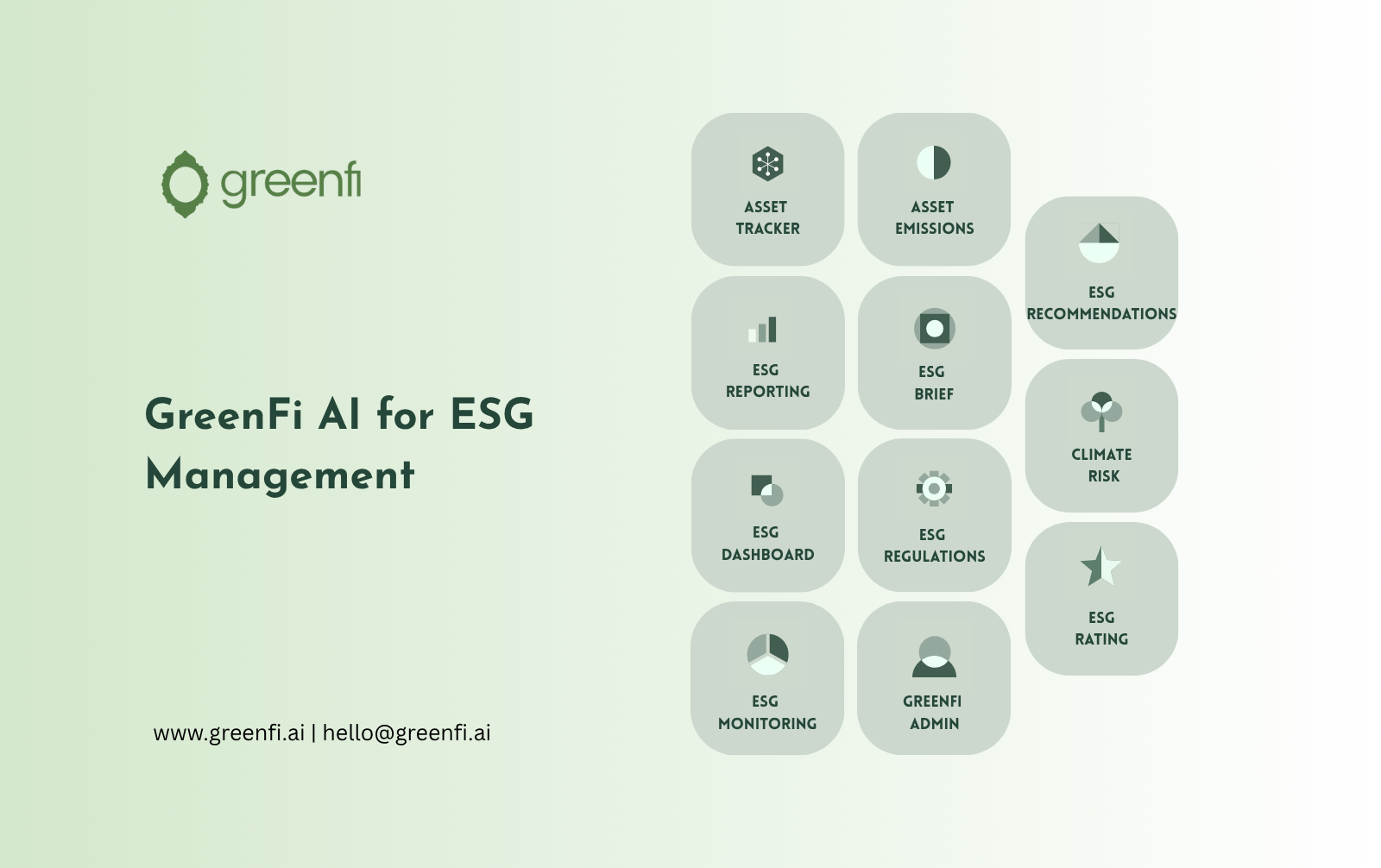
GreenFi can support organizations by enabling:
- Centralized packaging data management
- Supplier collaboration
- Compliance documentation
- Regulatory monitoring
- Packaging lifecycle tracking
- EPR data management
- Audit-ready reporting
As packaging regulations continue evolving, digital compliance capabilities will become increasingly important for maintaining market access.
Final Thoughts
PPWR represents one of the European Union’s most significant sustainability regulations affecting manufacturers, retailers, importers and brand owners.
The regulation shifts packaging compliance from a waste management issue to a strategic business priority that influences product design, procurement, supplier engagement, and market access.
Businesses that begin preparing now will be better positioned to meet future obligations, strengthen supply chain transparency, and support the transition toward a circular economy.
As additional PPWR requirements take effect over the coming years, proactive planning and robust data management will be key to achieving long-term compliance.
Schedule a call with us today: hello@greenfi.ai
Learn more: www.greenfi.ai