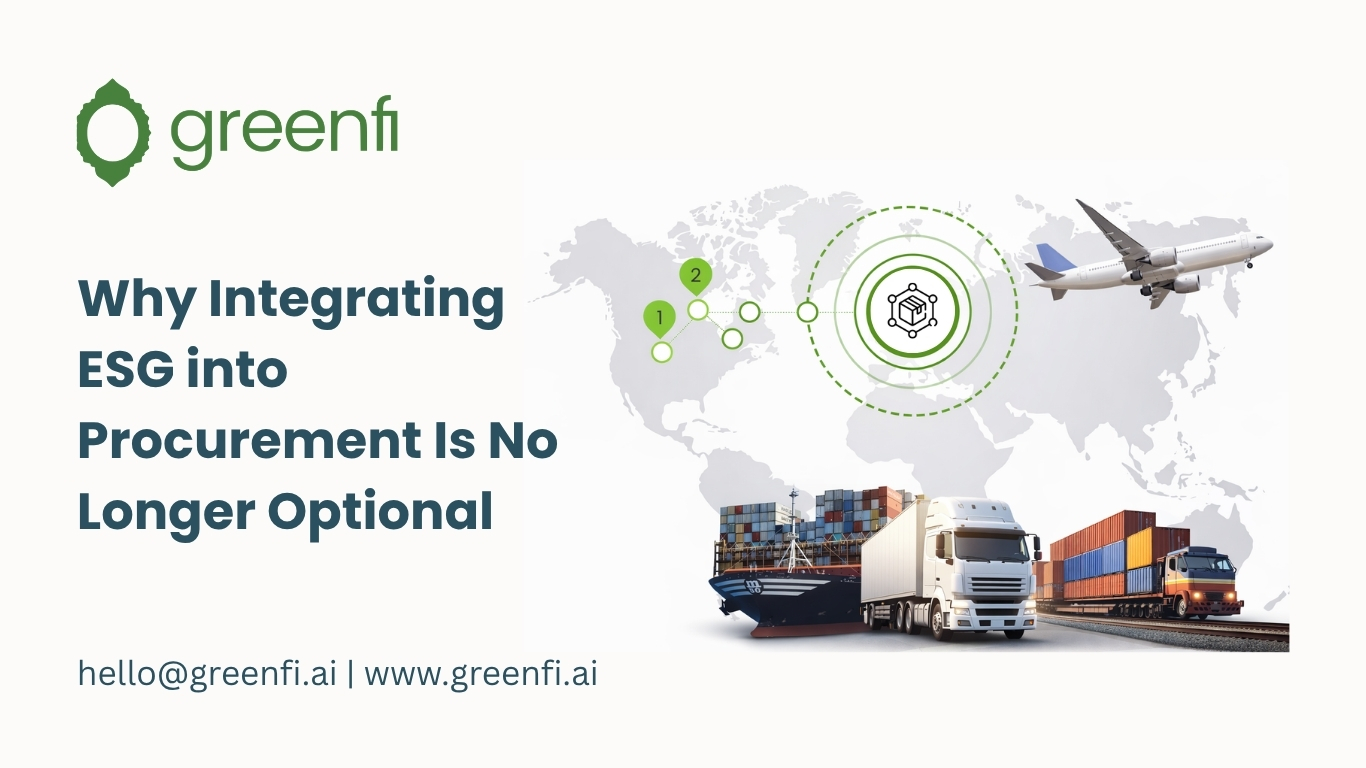
In today’s volatile global landscape, procurement is no longer just about cost efficiency and supplier selection – it has become a strategic lever for resilience, reputation and long-term value creation. Integrating Environmental, Social and Governance (ESG) principles into procurement is not a passing trend; it is a business necessity.
- Strengthening Supply Chain Resilience
Modern supply chains are increasingly exposed to risks – climate disruptions, regulatory shifts, labor issues and resource scarcity. Traditional procurement models often fail to capture these risks early.
By embedding ESG into procurement:
- Companies gain visibility into environmental dependencies (like water, soil and biodiversity risks).
- Supplier risks such as poor labor practices or regulatory non-compliance are identified proactively.
- Businesses can diversify and select suppliers that are more sustainable and stable in the long run.
This forward-looking approach transforms procurement from reactive risk management to predictive resilience building.
- Enhancing Brand Reputation and Trust
Consumers, investors, and regulators are placing unprecedented scrutiny on how companies source their products and services. A single ESG-related incident in the supply chain can significantly damage brand equity.
Sustainable procurement helps organizations:
- Demonstrate accountability and transparency across their value chain.
- Align with global sustainability standards and stakeholder expectations.
- Build trust with conscious consumers and ESG-focused investors.
Brands that actively manage ESG in procurement are increasingly seen as responsible, future-ready and trustworthy.
- Driving Regulatory Compliance and Risk Mitigation
Global regulations around supply chain transparency and sustainability are tightening. From mandatory disclosures to due diligence requirements, non-compliance can lead to penalties and operational disruptions.
Integrating ESG ensures:
- Continuous monitoring of supplier compliance.
- Streamlined ESG reporting aligned with evolving frameworks.
- Reduced exposure to legal, financial and reputational risks.
Procurement teams become key enablers of compliance rather than bottlenecks.
- Unlocking Long-Term Cost Efficiency
While ESG integration may seem like an added cost initially, it often leads to long-term savings:
- Efficient resource use reduces operational costs.
- Sustainable suppliers tend to have lower disruption risks.
- Early risk identification prevents costly crises.
In essence, ESG-driven procurement optimizes total cost of ownership – not just upfront pricing.
- Creating Competitive Advantage
Organizations that embed ESG into procurement are better positioned to:
- Win business from ESG-conscious clients.
- Attract sustainable financing and investment.
- Differentiate themselves in crowded markets.
Sustainable procurement is no longer a “nice-to-have”- it is a key differentiator in competitive strategy.
- Enabling Data-Driven Decision Making
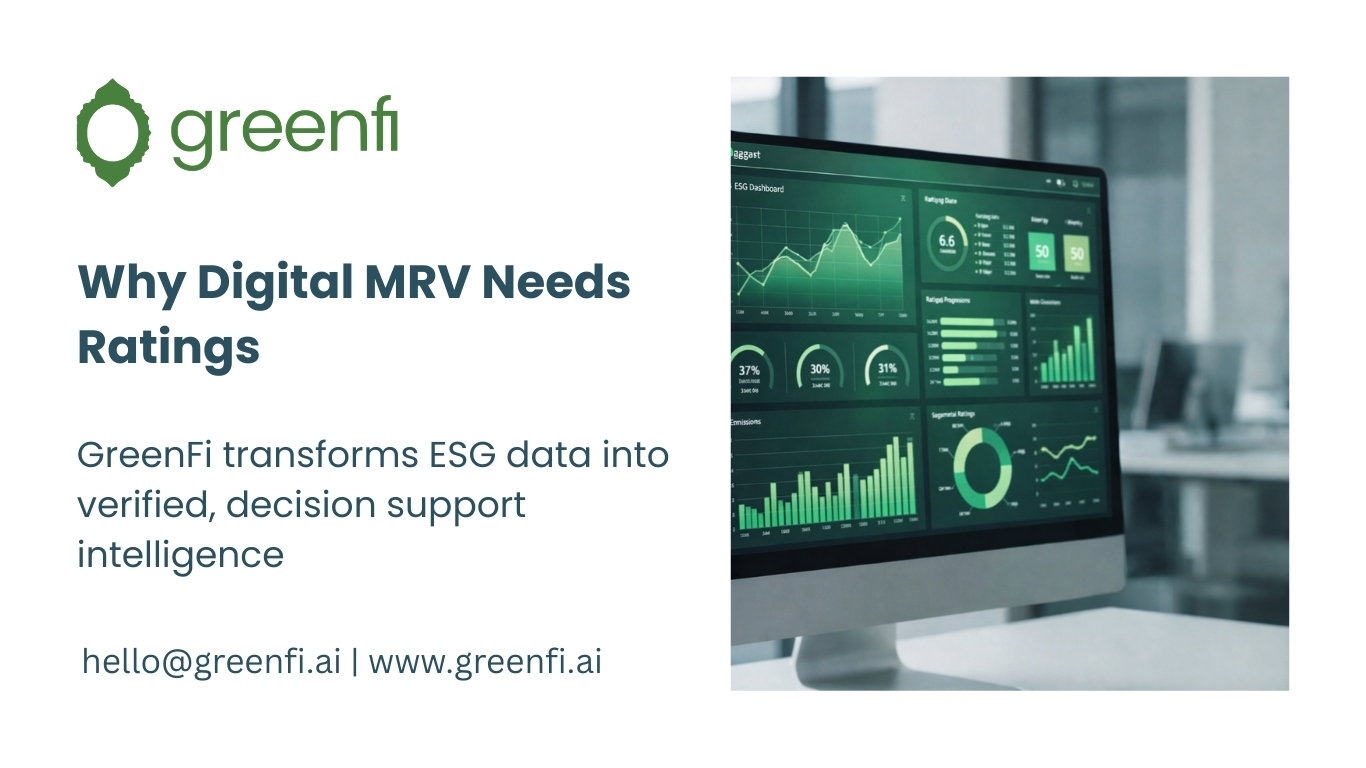
With the rise of AI and ESG data platforms, procurement teams can now:
- Assess supplier ESG performance in real time.
- Map dependencies on natural capital and social factors.
- Make informed, risk-adjusted sourcing decisions.
This shift from intuition to intelligence is redefining procurement’s role in the enterprise.
The Bottom Line
Integrating ESG into procurement is not about compliance alone – it is about future-proofing the business. It strengthens supply chains, protects brand value and unlocks new opportunities for growth and innovation.
Companies that treat sustainable procurement as a strategic priority today will be the ones that lead tomorrow.
Schedule a call with us today: hello@greenfi.ai
Learn more: www.greenfi.ai