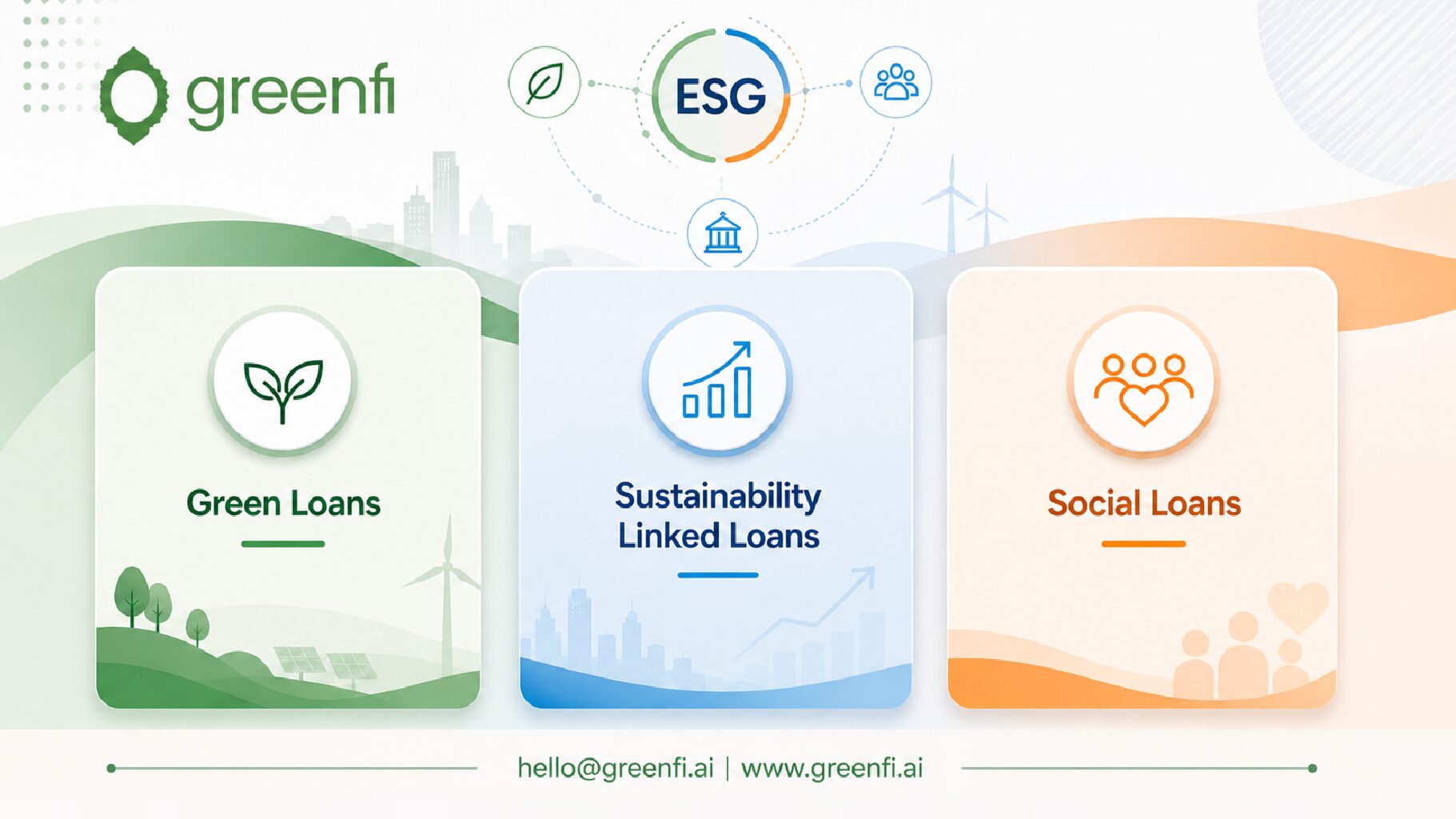
India’s sustainable debt market just crossed $55.9 billion. And yet, most finance teams still can’t clearly explain the difference between these three instruments, let alone which one applies to their business.
These aren’t feel-good financial products. They come with real benefits: lower interest rates, better capital access, and stronger positioning with investors and regulators. With SEBI’s BRSR Core requirements tightening and the RBI Green Deposit Framework now in effect, the window to get ahead is closing fast.
Green Loans
A Green Loan is tied to a specific environmental project: solar infrastructure, EV fleets, clean manufacturing, energy-efficient buildings. The money raised can only go toward that purpose. This is the “use-of-proceeds” model.
The reward? A green premium is a lower interest rate than conventional market rates.
Key features:
- Linked to a specific project or transaction
- Project must have demonstrable, measurable environmental impact
- Cheaper interest rate than market rates
- Regular environmental impact reporting is mandatory
What’s happening in India right now: SBI offers green car loans for EVs at rates as low as 8.75% versus 8.85% for regular cars. India saw $5.5 billion in labelled green-loan deals across 19 corporates in 2024 alone and that number is only going up.
Sustainability-Linked Loans (SLLs)
SLLs don’t restrict how you use the money. What changes is the interest rate it fluctuates based on how well you hit your pre-agreed sustainability KPIs.
Hit your targets? Your rate drops. Miss them? It rises. Financial incentives directly tied to sustainability performance.
Key features:
- Financing available for general business or operational needs
- Interest rate is variable – linked to pre-agreed sustainability KPIs
- Strong sustainability performance = lower rate. Poor performance = higher rate
- Independent third-party verification of KPI progress
Why this matters: The SLL market grew from $4.8 billion in 2017 to over $108 billion in just the first eight months of 2023 crossing $1 trillion in total debt facilities globally. India’s first rupee-denominated SLLs launched in 2025. This is no longer a niche. This is mainstream finance catching up to accountability.
One risk to watch: SEBI is moving toward mandatory third-party verification for SLL claims which means your ESG data quality directly affects your cost of capital.
Social Loans
Social Loans are the quietest of the three – but arguably the most relevant for India.
The structure is the same as a Green Loan: money tied to one specific purpose. The difference is what that purpose is. Instead of an environmental project, it has to create real, measurable social impact, think of it as affordable housing, rural healthcare, school infrastructure, or loans for small businesses in underserved areas.
Key features:
- The loan goes toward one specific social project, not general operations.
- That project must create real, measurable impact for people (not just on paper).
- You get a lower interest rate than market rates as a reward.
- You have to report on actual outcomes, who benefited, how much, how often.
The numbers: In 2024, NBFCs arranged $1.8 billion in social loans in India. Seven new social bonds were issued, adding $5.5 billion. Social finance in India isn’t a fringe idea, it’s scaling fast.
The Real Problem: The Data Behind the Claims:
All three instruments run on one common requirement: your ESG data has to be real, traceable, and audit-ready.Most Indian businesses aren’t there yet. Sustainability is treated as a communication exercise, not a data one. Reports are annual. Numbers are self-reported. Nothing is independently verified.
India needs $1.3 trillion in climate investment by 2030. The instruments exist. The regulations are here. What’s missing is the infrastructure to back the claims.
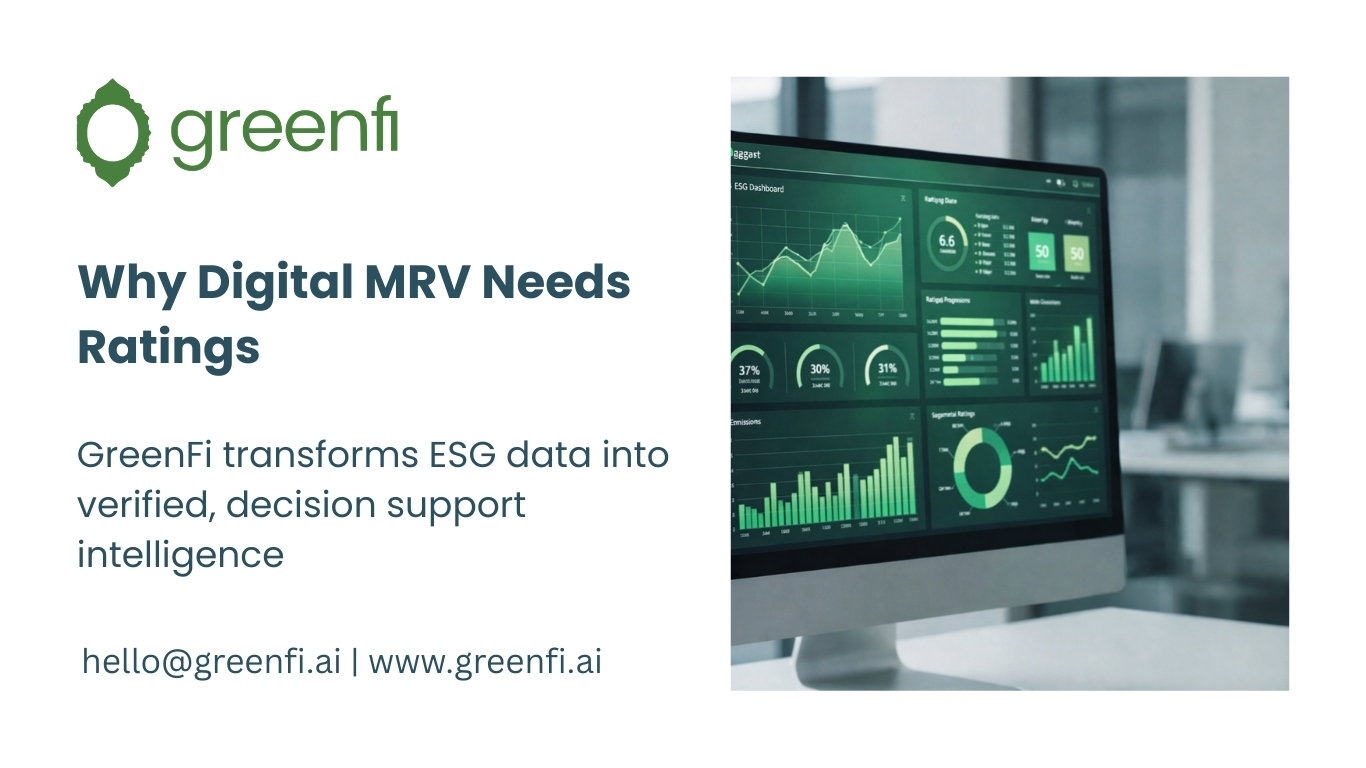
GreenFi gives banks and enterprises the real-time ESG data infrastructure they need to qualify for green loans, meet SLL targets, and report on social outcomes without scrambling every quarter.
Schedule a call with us today: hello@greenfi.ai
Learn more: www.greenfi.ai