Turning Point for Indian Corporates
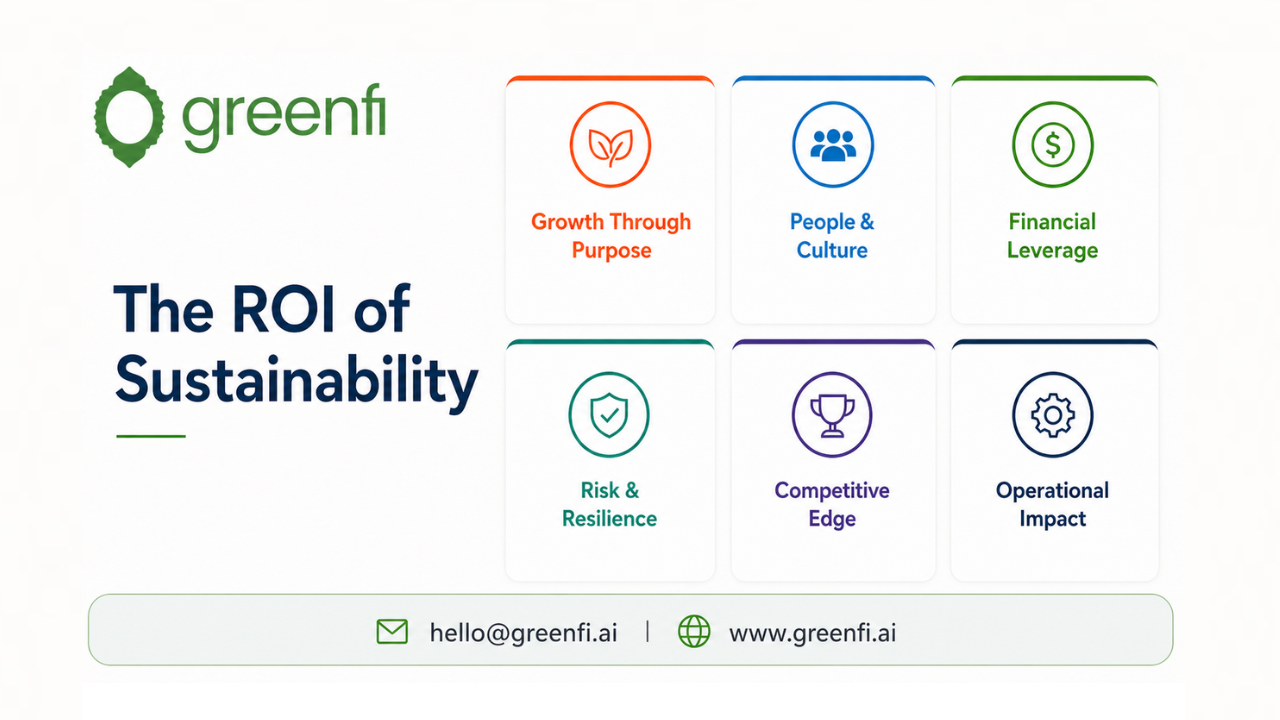
The Sustainability-Improvement Loan launched by HSBC India using EcoVadis signals that sustainability is no longer reputational – it is now a balance-sheet variable.
This shifts ESG from:
Compliance cost → Financial strategy
Companies that improve sustainability performance will directly improve:
- Cost of capital
- Credit attractiveness
- Investor perception
- Supply-chain eligibility (especially with global buyers)
What Banks Are Actually Evaluating
Banks are no longer just checking disclosures. They will increasingly assess operational behaviour across four pillars:
- Environmental
- Energy intensity reduction
- Renewable adoption
- Emissions measurement maturity (Scope 1, 2, and gradually Scope 3)
- Water & waste management programs
- Labor & Human Rights
- Worker safety programs
- Supplier working conditions
- Grievance redressal mechanisms
- Contract labor compliance
- Ethics & Governance
- Anti-corruption policies
- Responsible sourcing practices
- Whistleblower protection
- Board-level oversight
- Sustainable Procurement
- Vendor screening
- Supplier ESG onboarding
- Documentation & audit trails
- Traceability of materials
Impact on SMEs (Most Important Change)
This product is particularly transformative for SMEs.
Earlier:
SMEs could not access green finance due to lack of disclosure capability.
Now:
They can access cheaper capital by improving operational practices, not by issuing sustainability reports alone.
This creates a new category:
Operational ESG adoption → Financing benefit
What Companies Must Now Prepare For
To benefit from sustainability-linked loans, organizations need:
- Continuous ESG data tracking (not yearly reports)
- Document repositories for audits
- Vendor ESG onboarding workflows
- Evidence-based policies
- Internal ownership across departments (HR, Procurement, Operations)
In other words:
Spreadsheets will no longer be enough.
The Risk Side (Often Ignored)
Performance-linked loans introduce downside risk.
If ESG performance stagnates or deteriorates:
- Interest rate penalties may apply
- Financing terms may tighten
- Lender confidence may decline
- Future refinancing may become harder
So ESG becomes a financial covenant, not a marketing initiative.
What This Means for the Future of Sustainable Finance in India
We are moving toward a system where:
- ESG scores influence credit rating behaviour
- Banks integrate sustainability into underwriting
- Suppliers are evaluated based on ESG maturity
- Large corporates will require vendors to improve ratings
This effectively turns ESG into a market access requirement – not just a reporting obligation.
Takeaways
The biggest change is psychological:
Companies are no longer rewarded for declaring sustainability goals
They are rewarded for proving measurable improvement
Sustainability has now entered the realm of: Performance-based finance
To know more, reach out to hello@greenfi.ai